Have you ever put together a Goodwill donation and wondered whether you’re doing it right?
“Do they even take these items? Should I put them all in the same box?” Should I take a receipt?”
Have no fear, we’ve put together some top-notch tips and answered your questions to make sure your next donation is a breeze for both you and your local Goodwill store.
Making a Goodwill donation offers convenience for you, helps other people and is good for the planet. Goodwill stores across the country accept donations of clothes and household items to help fund job training, employment placement services and other community programs.
Generally speaking, there are no firm rules when it comes to getting your donation ready. But while “anything goes” is okay, there are some tips you can apply to help the attendants and sorters at your Goodwill drop-off center get through your donation quickly and safely.

Photo: Shutterstock
Brooke Lochore, VP of public relations at Goodwill Big Bend, recommended wrapping a rubber band around pairs of shoes to keep them from getting separated and packing items that belong together in the same box or bag. It’s also helpful to keep items like clothes together, rather than randomly mixed throughout your donation.
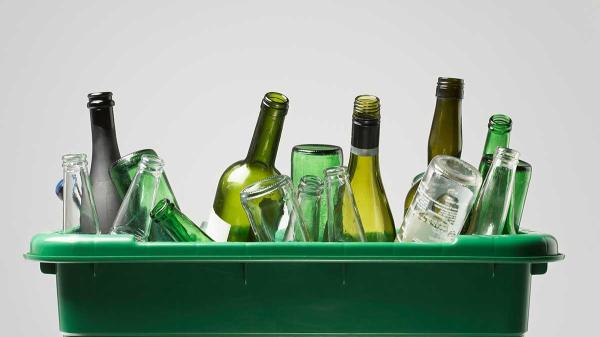
If you have fragile items, hand them directly to an attendant or package them carefully and label them as fragile to avoid accidental breakage. Broken items lose their value and are tougher to re-sell. Glass items should never be placed in unattended donation bins, as broken glass can be a safety hazard for Goodwill employees.

Photo: Ethan Hagan/One Project Closer via The Art of Manliness
“You can make a bottle opener out of just about anything,” blogger Ethan Hagan writes in a guest post for The Art of Manliness.
The experienced do-it-yourself homeowner, who shadows professional contractors on job sites to bring top-notch tutorials to his readers at One Project Closer, lists off bottle openers made from all sorts of household items like lighters, rings and even shell casings.
“All those openers probably work just fine,” he continues. “However, making your own bottle opener is a fun project, and a handmade one is sure to impress your family and friends every time.”
For a DIY opener with a bit more elegance and appeal, Hagan reached for two common tool shed materials we all have around the house; a piece of scrap wood and a nail.

Photo: Ethan Hagan/One Project Closer via The Art of Manliness
For the bottle opener base, Hagan chose a piece of walnut he had left over from installing hardwood floors, but you can use whatever piece of scrap wood you happen to have on hand.
To achieve the handsome, clean lines of Hagan’s creation, you’ll need to do a bit of cutting, shaping and sanding work on your wood block. But trust us, the results will make your home bar infinitely more rad, so we say it’s well worth it.

Photo: Ethan Hagan/One Project Closer via The Art of Manliness
Get step-by-step instructions on how to make this yourself at The Art of Manliness, and be sure to check out One Project Closer for DIY home tutorials on everything from roofing to remodeling.
For more boozy DIY inspiration, check out our guide to creating your own home bar cart from recycled materials.
Whether you’re preparing lunches for the week or planning an afternoon picnic, these 10 make-ahead recipes will put your recyclables to work saving you time and money. Read on for ideas you’ll love.

Photo: Angela Simpson/Eat Spin Run Repeat
If you’re new to the meals-in-jars concept, the joy of a portable salad without all the soggy lettuce and toppings will make you an instant believer.
Dreamed up by Angela Simpson of Eat Spin Run Repeat, this preparation features nutritious spelt berries, sweet bell peppers and hearty chicken for a filling meal on-the-go. When lunchtime comes, simply tip your pre-layered salad into a bowl for a crunchy bite that’s sure to please.
For vegetarians and vegans, Simpson also includes a tasty plant-based preparation featuring quinoa, navy beans and edamame.
Get step-by-step instructions on how to make both salads at home from Eat Spin Run Repeat.

The U.S. Navy’s “Great Green Fleet” demonstrates biofuels during the Rim of the Pacific 2012 exercise. Photo: Flickr/Official U.S Navy Page
The Department of Energy is moving forward with a new $18 million package that will fund four new pilot projects for the Navy’s biofuel program.
The projects are designed to test renewable biofuels that are made using materials as diverse as switchgrass, algae, municipal waste and other forms of refuse.
“Advanced biofuels are an important part of President Obama’s all-of-the-above strategy to reduce America’s dependence on foreign oil, improve our energy security and protect our air and water,” said Energy Secretary Steven Chu in a press release. “The innovative biorefinery projects announced today mark an important step toward producing fuels for our American military and the civil aviation industry from renewable resources found right here in the United States.”
The four new projects focus on biofuel feedstocks that don’t involve food for humans or livestock and don’t take up land that could be used for food production.
One of the new projects will be managed by Frontline Bioenergy of Ames, Iowa, whose proprietary TarFreeGas bioreactor will convert woody biomass and municipal solid waste into liquid biofuel product that can be upgraded to meet military specifications.
Mercurius Biorefining in Washington state will be managing another of the projects, which will focus on turning woody biomass into biofuel.
Cobalt Technologies in California will use a fermentation-based process that uses bacteria to break down switchgrass and convert it to butanol, which can be turned into jet fuel.
The fourth project will be managed by an Iowa-based company called BioProcess Algae, which plans on building an algae biorefinery that can produce military-grade biofuel and byproducts.
When it comes to recycling at home, the kitchen still reigns as the most common place to find a recycling bin. It’s easy to forget that in other rooms of the house, like the bathroom, there are a lot of recyclable items that should be making it to the blue bin as well.
To help encourage recycling in every part of your home, Plastics Make it Possible has launched Bathroom to Bin, an interactive infographic that takes you on a fun recycling journey through a typical bathroom cabinet.
The virtual medicine cabinet offers not only some simple tips to help you recycle more of the plastics in your bathroom, but a chance to win $500 as well. Visitors can answer a single-question poll about recycling to be entered into the Bathroom to Bin Giveaway for a chance to win a $500 American Express gift card.
“Bathroom to Bin is an entertaining way to encourage all of us to expand recycling beyond the kitchen and into the bathroom,” said Steve Russell, vice president of plastics for the American Chemistry Council, which sponsors the Plastics Make it Possible initiative. “Recycling bathroom plastics is a simple step we can take to help the environment by capturing more of this valuable material from the waste stream.”
Editor’s Note: Earth911 partners with many industries, manufacturers and organizations to support its Recycling Directory, the largest in the nation, which is provided to consumers at no cost. The American Chemistry Council is one of these partners.
Gina Michele, author of Rock Mosaic, garnered the most votes in May’s Transform a Phone Book Reuse Design Challenge. Her fun and funky coasters take your old white pages to the next level, and you can make these in a snap. In Michele’s own words, here’s a full tutorial so you can have your own set at home:

Photo: Gina Michele, Rock Mosaic
Supplies:
This stunning London conversion, completed last year, transformed a disused 19th Century water tower into a modern luxury home that’s sure to make any design-lover drool. Click through to get a closer look and see what’s possible when pieces of our past are given brand new life.

Photo: Knight Frank
Located in the Kennington district of central London, this incredible 4,483-square-foot conversion boasts five bedrooms, four baths, two living rooms and an eat-in, contemporary designed kitchen.
The tower has an extension, nicknamed “The Cube,” which houses the kitchen and living room, as well as roof space for a fabulous terrace with skyline views of downtown London.
Originally built in 1877, the Venetian Gothic-style water tower was converted by architect Mike Collier of ACR Architects, a London-based firm that specializes in residential refurbishments.
Click through to catch a glimpse of every gorgeous square foot and see the hidden potential in historic spaces that may otherwise go to waste.

Kenai Sports turns plastic waste into activewear. Photo: Kenai Sports
You may not be shocked to hear jeans or T-Shirts can be made from plastic bottles since recycled polyester is becoming increasingly common. One company, though, takes recycling plastic into clothing to a new level.
Kenai Sports of New Britain, Conn., is an athletic apparel company that partners with landfills across the country to turn all sorts of plastic waste – cell phones, yogurt cups, keyboards and even old toothbrushes – into high-performance gear. The company makes T-Shirts, jerseys, jackets and other clothing items for corporations, athletic programs, police departments and nonprofits. Their work over the past year has allowed them to develop fabrics that can withstand tough conditions, while at the same time keeping waste out of landfills.
Kenai Sports recently launched a Kickstarter campaign to make their products more widely available to the public. If the project raises enough money, Kenai plans to upcycle 10 football fields-worth of plastic trash into moisture-wicking yoga pants and breathable zip-tops.
The company’s pants and tops all come with a 10-year warranty. Plus, since styles change over time, supporters of the initial project will be able to send their garments back to the company in exchange for a discount on new styles. This old activewear won’t go to waste.
“Your original purchase won’t be rotting away in a landfill – after we receive the clothing, we’re going to ‘close the loop.’ That means we’ll be re-purposing the fabric for a variety of uses, from new clothing to home insulation and more,” explains Kenai’s Kickstarter page.
Americans generate enough plastic waste to fill a stadium like Boston’s Fenway Park to the brim 26 times each year, according to Kenai. Finding another way to reuse that waste – especially 10 football fields worth of it – can help make a dent in that number.
To learn more or support the project, visit the Kenai Sports Kickstarter page.
More Recycled Activewear: Green Your Workout with Recycled Fitness Gear

Look mom, no drips! This re-purposed watering can is free, convenient and guaranteed not to dribble while you water. Photo: Astra/A Journey to a Dream
Kiss leaky watering cans goodbye with this drip-free gardening solution from Astra McNicholl of the blog A Journey to a Dream.
Made from an empty plastic jug, this helpful yet simple DIY takes mere minutes to make and doesn’t cost a penny.
“Every year, my hubby and I use few of these in the spring,” the crafty mom writes of her upcycled creation. “They are so easy to fill, carry and pour, and they don’t leak or drip back down the spout like watering cans!”
As an added bonus, you can easily customize your creation to produce a hearty flow or a fine spray to suit all your gardening needs.

Photo: Astra McNicholl/A Journey to a Dream
Note: Don’t just grab the nearest sharp object and start stabbing away at your plastic lid. McNicholl’s tutorial includes a unique method that ensures your re-purposed watering can will stay blissfully drip-free.
Ready to give it a try? Head to A Journey to a Dream for step-by-step instructions on how to make these yourself.
More DIY Projects for the Garden: Make a Living Succulent Wreath From an Old Hamster Wheel

Saving seeds from your favorite fruits and vegetables can help you get a jumpstart on next year’s garden. Photo: Shutterstock
Home gardeners understand that growing your own fruits and vegetables comes with variety of benefits including buying less from the grocery store, knowing exactly where your food came from and generally being a little more self-sufficient. A great way to become an even more self-sufficient gardener is to consider saving your own seeds. By doing so you’ll spend less money on seeds in the future, have access to the exact seeds you want to grow and help maintain the genetic diversity of heirloom plants.
According to the Millennium Seed Bank Partnership at the Kew Royal Botanic Gardens, the world’s largest plant conservation project, roughly a quarter of all plant species – 60,000 to 100,000 – are threatened with extinction. Additionally, we grow significantly fewer types of plants for food than we did even a century ago. For example, at the turn of the twentieth century, 408 tomato varieties were sold in the United States. Now, only 80 of those varieties are preserved by the USDA.
The reason this is significant is because over time, plants adapt to certain environments and their genes reflect those adaptions. The fewer types of plants we grow, the less genetic diversity our plants have, making them more susceptible to changes in climate and other potential threats.
By saving seeds from plants in your garden, growing them year after year and sharing those seeds, you are helping maintain our garden heritage, according to Seed Savers Exchange, a non-profit seed preservation and production organization in Decorah, Iowa.
We spoke with Jennifer Zoch, a seed technician at Seed Savers Exchange, about how gardeners can start saving seeds at home, and she helped us break the process down into some simple steps you can take to get started. Read on to find out how you can become a seed saver.

Photo: Amy Renea/A Nest for All Seasons
Old pet supplies can be tricky to reuse, but that didn’t stop DIY maven Amy Renea from dreaming up something fabulous.
In this clever project, the crafty blogger transformed an old metal hamster wheel into an intricate living succulent wreath for her garden. The wheel had humble beginnings, but the results are truly stunning.

Photo: Amy Renea/A Nest for All Seasons
All you’ll need is a hamster wheel, some succulent cuttings and a little patience to recreate this lovely wreath for your own home or garden.
“What makes this wreath particularly interesting is the 3D quality,” Renea writes of the project on her blog, A Nest for All Seasons. “Since the form of the hamster wheel is ‘thicker,’ there is more planting space and the entire circle – top, bottom, inside and out – can be planted.”

Photo: Amy Renea/A Nest for All Seasons
Renea used her wreath to adorn a banister in the backyard, but you can also position your creation upright for a living centerpiece indoors. Just use the original stand from the hamster wheel to keep it vertical, the blogger suggests.
Ready to give it a try? Head to A Nest for All Seasons for step-by-step instructions on how to make one yourself.
For even more eye-catching ideas for the garden, check out this tutorial on how to make plant and candle holders from recycled baby food jars.

Photo: Valerie/Vertical Gardener
Houston-based blogger Valerie, the green-thumbed gal behind the blog Vertical Garden, never lets small spaces get her down.
The urban gardening maven lives by one simple rule: garden upwards, not outwards. And we could all learn a thing or two from her resourcefulness, no matter how much space we have at our disposal.
To liven up a bland and boring fence on her urban patio, the crafty blogger looked to something every gardener has plenty of – terra cotta pots.

Photo: Valerie/Vertical Garden
Using a bit of know-how and some affordable hanging hardware, Valerie created a lovely vertical garden setup in mere minutes from ceramic pots she already had on hand.
Take a page from her book and plant decorative flowers, or use your new hanging garden to grow herbs for the kitchen.
This versatile setup can also be used to add a touch of green to tree trunks, deck support poles and even brick. So, get creative and customize your space the eco-friendly way.

Photo: Valerie/Vertical Garden
Ready to give it a try? Get step-by-step instructions on how to make it yourself at Vertical Garden.
For another easy garden fix, check out how to make a no-drip watering can from plastic recyclables.